



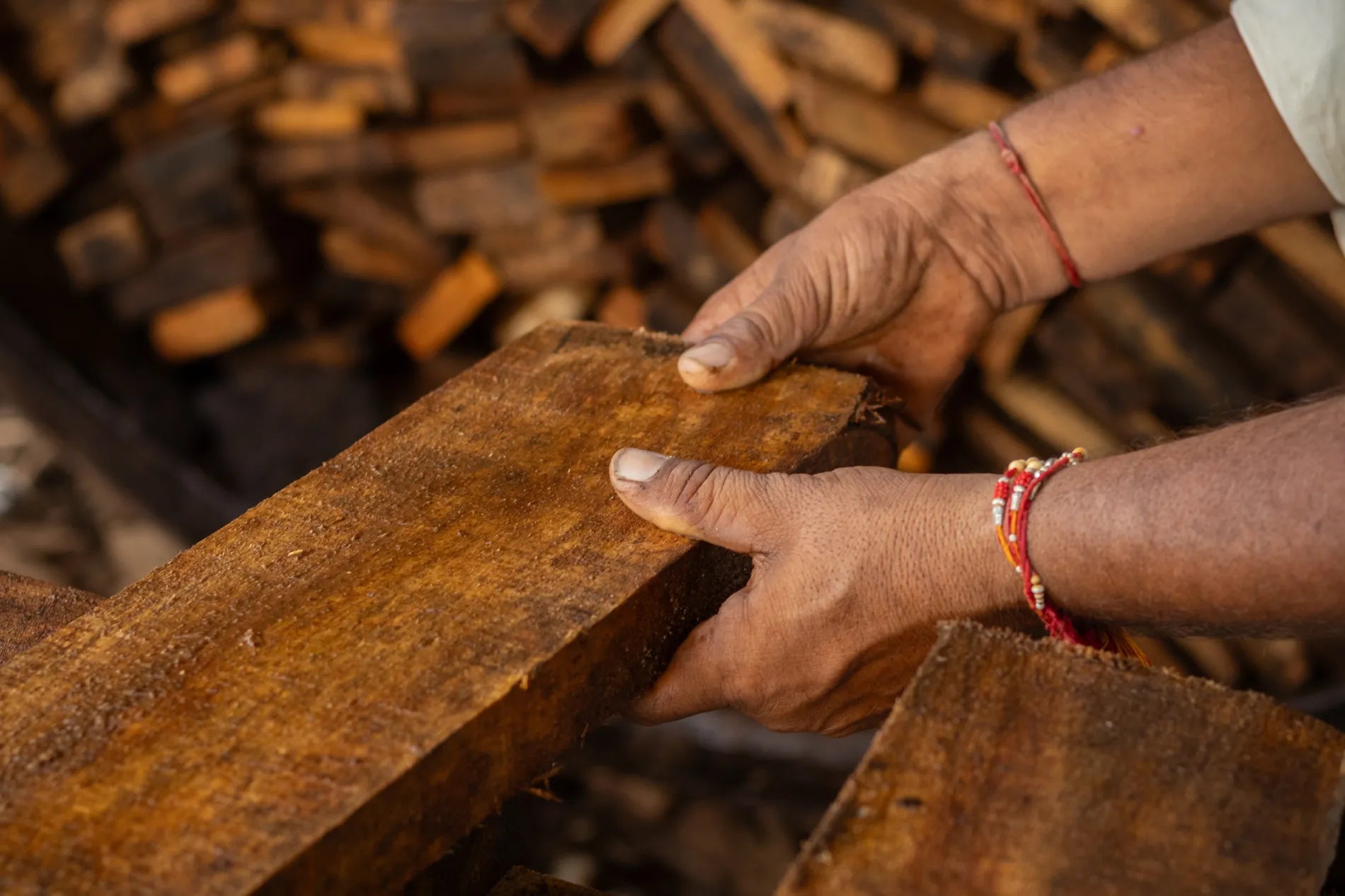
Nature Knows Best
Bij Huis Van Mango geloven we in de eerlijke schoonheid van natuurlijke materialen. Elk product dat we maken is een ode aan echt hout—de nerf, de kleur, de imperfecties en het levensverhaal. We werken uitsluitend met mangohout en acaciahout, gekozen vanwege hun duurzaamheid, milieuvriendelijkheid en unieke karakter.
Deze pagina is jouw gids om de herkomst van ons hout te begrijpen, welke natuurlijke variaties je kunt verwachten en hoe je je meubel het beste kunt verzorgen zodat het een leven lang meegaat.
De houtsoorten waarmee we werken
Mangohout
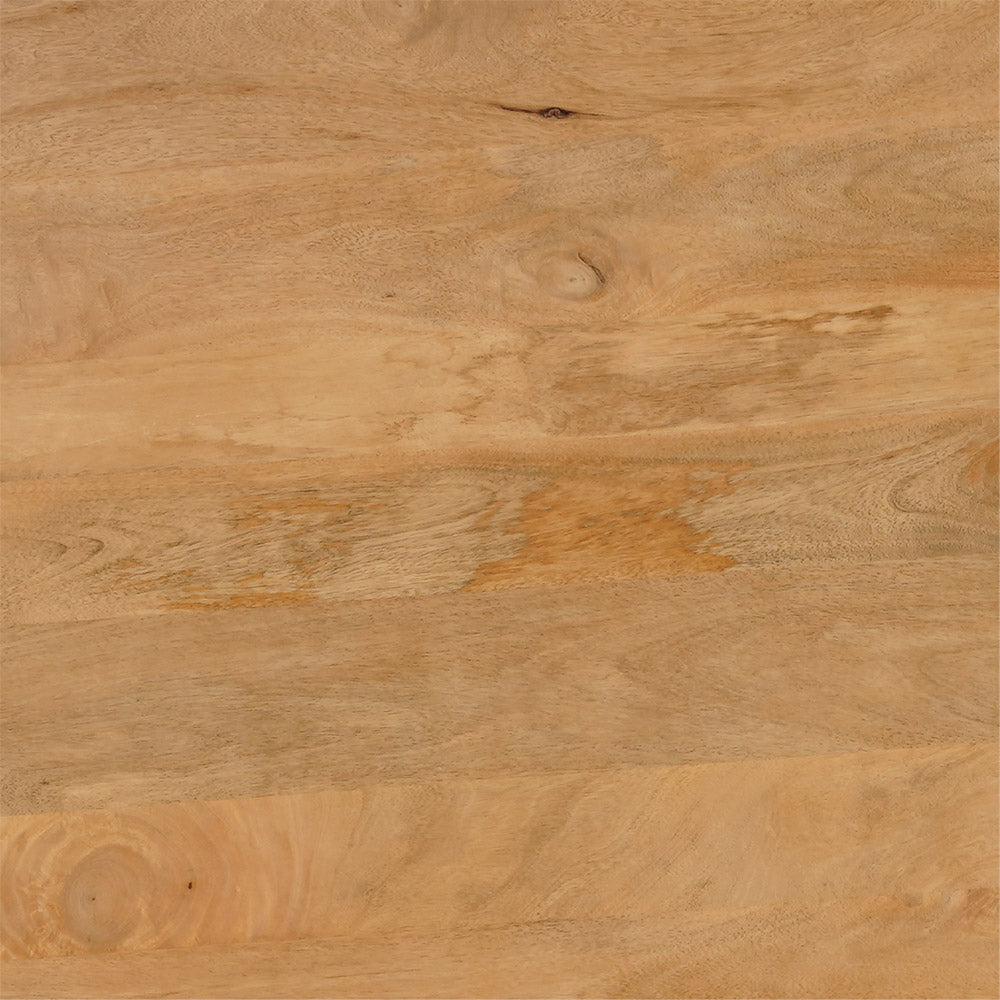
Mangohout heeft een warme, organische uitstraling en een natuurlijk gevarieerde houtnerf, met tinten die variëren van licht honingkleurig tot diepbruin en grijs. Door de uitgesproken structuur en subtiele kleurnuances past het in uiteenlopende interieurs—van aards en natuurlijk tot modern en verfijnd.
Natuurlijke kenmerken
Nerfpatroon: Draaikolken, subtiele krullen of lange, golvende nerven komen veel voor. Afhankelijk van de boom en de manier van zagen kan de nerf strakker of juist opener zijn.
Kleurvariaties: Natuurlijk mangohout varieert van licht goud tot diepe bruintinten, met nuances van geel, grijs of roze. Ook na het afwerken kunnen lichte kleurverschillen zichtbaar blijven.
Knopen & insluitingen: Kleine knoesten, fijne scheurtjes, mineraalstrepen of genezen taklittekens zijn normaal. Dit zijn geen imperfecties—maar kenmerken van echt, natuurlijk hout.
Oppervlaktetextuur: Sommige delen kunnen gladder of juist iets ruwer aanvoelen, afhankelijk van dichtheid en structuur van de houtnerf.
NOTE: No two pieces of Mango wood are alike. Each bears the mark of its journey—making every product uniquely yours.
Onze mangohoutafwerkingen
Om aan verschillende interieurstijlen en sferen te voldoen, bieden wij mangohout in vier kenmerkende afwerkingen. Elke afwerking wordt met de hand aangebracht in kleine batches en behoudt het natuurlijke karakter van het hout.
-

NATURAL
- Gladde, vlakke oppervlakte
- Zichtbare natuurlijke houtnerf
- Lichte, natuurlijke tint
- Subtiele kleurvariatie
- Eenvoudige, strakke afwerking
-

BLACK
- Gezandstraald oppervlak
- Diepzwarte finish
- Houtnerf zichtbaar
- Matte uitstraling
- Lichte natuurlijke textuurverschillen
-

RUSTIC
- Getextureerd, ongelijk oppervlak
- Zichtbare houtnerf
- Natuurlijke knoesten en kenmerken
- Rijke kleurvariatie
- Elk stuk uniek verschillend
-

BROWN
- Rijke bruine tint
- Gladde, egale afwerking
- Subtiel zichtbare houtnerf
- Lichte kleurvariaties
- Consistente uitstraling


Acaciahout
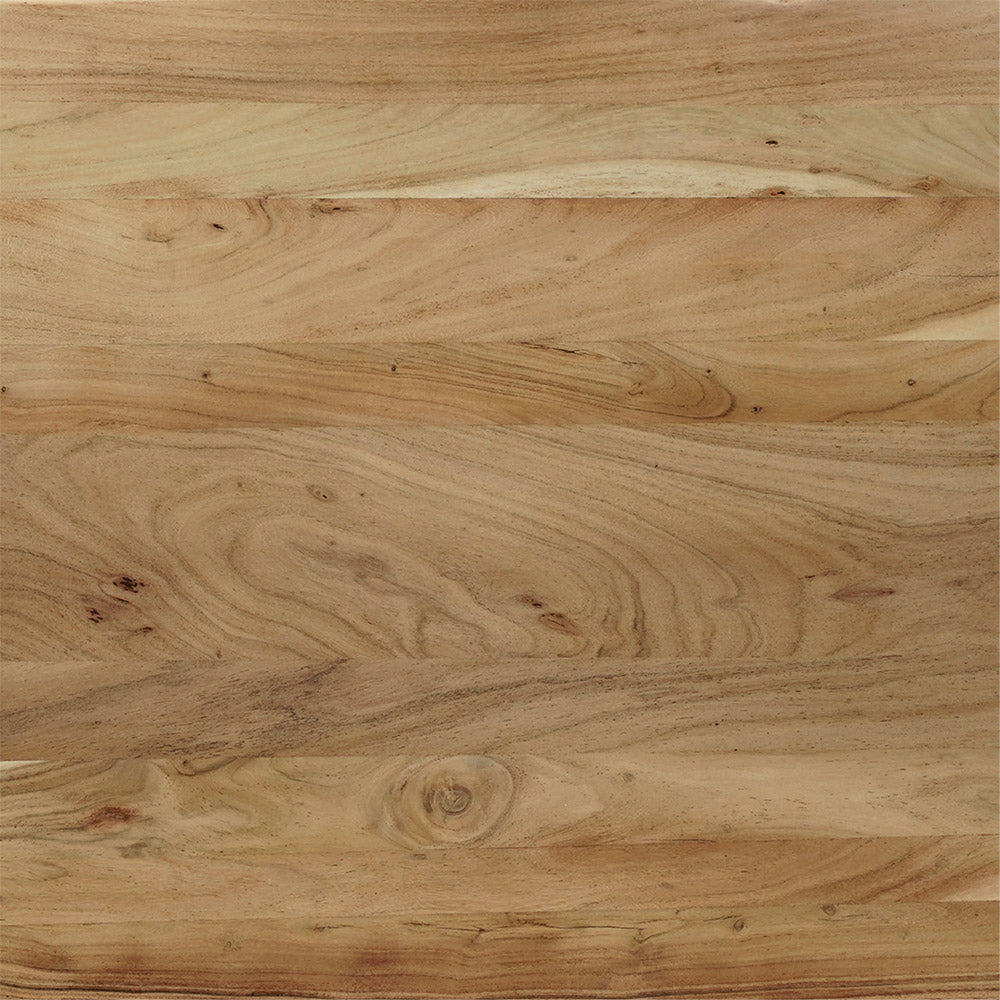
Acaciahout staat bekend om zijn opvallende, contrastrijke houtnerf en natuurlijke duurzaamheid. Met zijn diepe honing- tot walnoottinten en gladde afwerking brengt het warmte en rijkheid in elke ruimte. Wij gebruiken acaciahout in zijn natuurlijke kleur—onbehandeld en onveranderd—om de pure schoonheid van het materiaal te benadrukken.
Natuurlijke kenmerken
Nerfpatroon: De nerf van acaciahout is uitgesproken en vertoont vaak sterke contrasten tussen donkere en lichte delen. De structuur is dynamisch, met duidelijke lijnen en strepen.
Kleurvariaties: Variërend van warm honinggoud tot diep walnootbruin. Elke plank kan contrasterende tinten laten zien.
Knopen & insluitingen: Zichtbare knoesten, groeiringen en natuurlijke mineraalafzettingen komen regelmatig voor — en zijn deel van het karakter.
Oppervlaktetextuur: Door de dichtheid van de houtnerf kunnen lichte reliëfs of natuurlijke oneffenheden in het oppervlak voorkomen.
Hands that Shape Stories
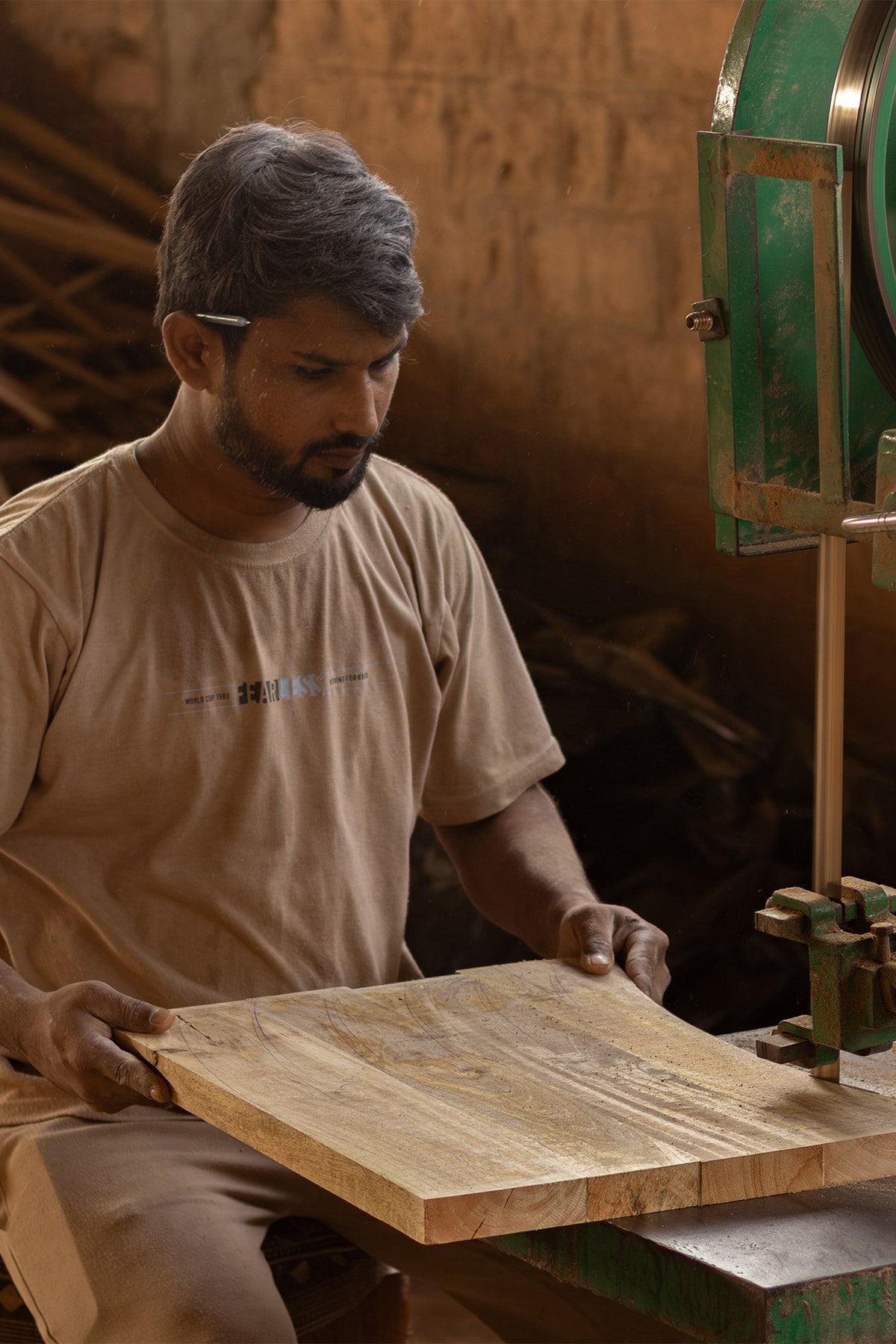
In Jodhpur is houtbewerking geen beroep, maar een erfenis. Onze ambachtslieden dragen technieken met zich mee die al generaties lang worden doorgegeven. Elk stuk begint als een ruwe plank en wordt langzaam gevormd door hand, oog en gevoel.
Joinery & Craft
-
Strong forms.
Traditional techniques.
-
Onze ambachtslieden gebruiken traditionele verbindingsmethoden zoals houten deuvels en pen-en-gatverbindingen waar nodig—voor zowel stevigheid als elegantie. Sommige tools zijn modern, veel zijn traditioneel. Maar allemaal worden ze geleid door ervaren handen en een scherp oog voor detail.
Finishing Process
A tactile approach.
Always by hand.
Ons afwerkingsproces is zorgvuldig en doordacht. Afhankelijk van het product kan het bestaan uit handschuren, wrijven met doek en meerdere lagen olie of was. Dit beschermt niet alleen het oppervlak, maar zorgt er ook voor dat de natuurlijke kleur en nerf van het hout mooi tot uiting komen.

Rooted in Jodhpur
Heritage woodworking. Modern design.
Onze meubels worden gemaakt in Jodhpur, India — een regio die bekendstaat om zijn lange traditie in houtbewerking.
Veel van onze ambachtslieden zijn tweede- of derde generatie vakmensen, getraind in technieken die tientallen jaren zijn doorgegeven.
We werken nauw samen met elke werkplaats en combineren onze ontwerpvisie met hun diepgaande kennis van materialen en vakproces.


